
A Finished Dog Is a Checkpoint, Not an End Goal
A dependable retriever may have reached an important milestone, but the best dogs keep learning throughout their working careers.
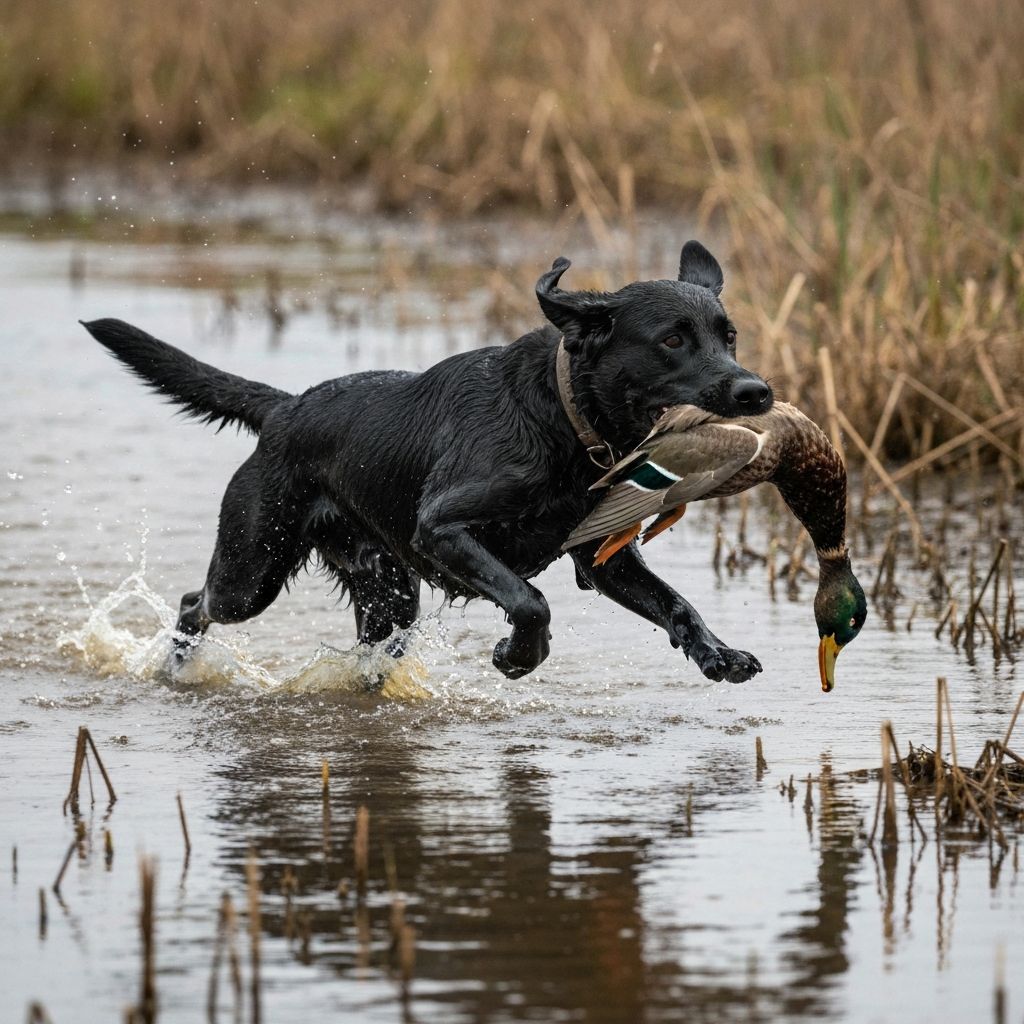
The term “finished dog” doesn’t sit right with me, and I don’t think it should sit right with anyone. A dog’s training is never finished. Just like you and me, a dog learns his entire life. When you call something “finished,” it implies it’s over—and that’s the last thing you want a handler to believe about his dog.
What people usually mean by “finished” is a checklist: the dog runs blind retrieves, stops on the whistle, handles and casts, and sits steady to the gun. He’s been introduced to birds, worked with birds, and been through decoys. He’s ready to take into the field for advanced retrieving work. That’s a real milestone, but it’s a checkpoint, not a finish line. Training continues throughout the dog’s working career.
Build the team, not just the dog
The biggest thing people overlook is the relationship between handler and dog. Building confidence in the team matters more than any single drill. When it comes down to it, the handler and his dog are a team going out to make retrieves and hunt. Whether you’re getting a new dog, training him yourself, or sending him to someone else, take the time to work together and get on the same page through retrieving drills.
Train beyond what you expect him to do in the field. If your dog can run complicated retrieves, a normal hunting retrieve comes easy—there’s no confusion, no extra pressure, and both of you are having fun.
Think of it like coaching a baseball team. You have a game on Monday night, then practice Wednesday for Friday’s game. You learn from Monday what you need to work on Wednesday. The same applies to hunting. When you see situations in the field where your dog struggles or isn’t as smooth as you’d like, that’s your homework between hunts. The hunt is the game. The drills are the practice.
Experience changes with the environment
Another thing people overlook is environment. Take a dog that’s hunted timber his whole life, then at five or six years old put him in the marsh—or the other way around. That’s a big change. Some people think a finished dog should handle any terrain. That’s simply not the case. A dog needs experience in as many terrains as possible if you plan to travel and run him where you’re going to hunt.
Don’t let the fundamentals slide
Once a dog understands the drills, a lot of people give him a break for months during the summer. That’s a mistake. You could be making the fundamentals even more solid. And it’s not just about drills—it’s about obedience in daily life. Whether he’s a started dog or a finished dog, maintaining the leadership role and enforcing obedience through the weeks of extreme heat, even when you’re not running him, makes all the difference.
When you return to training, the dog still sees you as the leader and understands there are commands to follow. When you’re running a finished dog, all the commands really are obedience at a distance. You blow the whistle, give a left, right, over, or back—you’re simply giving him a command from far away. Let the daily work slide and the drills get sloppy, because the dog starts testing whether the rules still apply.
Condition before you tune up
Then there’s tune-up time—what a lot of clients call it when they bring in a finished dog. The biggest thing overlooked is physical shape and endurance. I’ll see a dog come in for three or four weeks of retrieving drills, but what the dog actually needs is two to three weeks of endurance work because he’s gotten so far out of shape over the summer.
If you jump straight into retrieving drills, the dog gets extremely tired and the work stops being fun. Get him in shape first—jogging, swimming, whatever it takes—before you tighten up the retrieving drills. That way, when you use the retrieve as the reward over and over, the dog isn’t exhausted and doesn’t start thinking retrieves are work. He’s in shape, he can do them repeatedly, and he enjoys them.
Be honest about the weak points
Finally, one of the biggest things I see is people running or describing their dog, and all they want to discuss are the dog’s strong points. Be honest enough to look in the mirror and recognize your dog’s weak points. If you know your dog is really good at something and you keep training him on what he’s already great at, you’re overlooking a valuable part of making him a truly well-rounded duck dog.
Work on his weak points. Address them. Admit he has them. That’s how you eliminate them and make him an overall great dog.
Keep an open mind and enjoy your dog.
Keep learning in the field.
Back to all resources