
Started Dog or Finished Dog — Which Should I Buy?
The right choice depends on your goals, the work you want to do, and the time you are ready to invest in becoming a team.
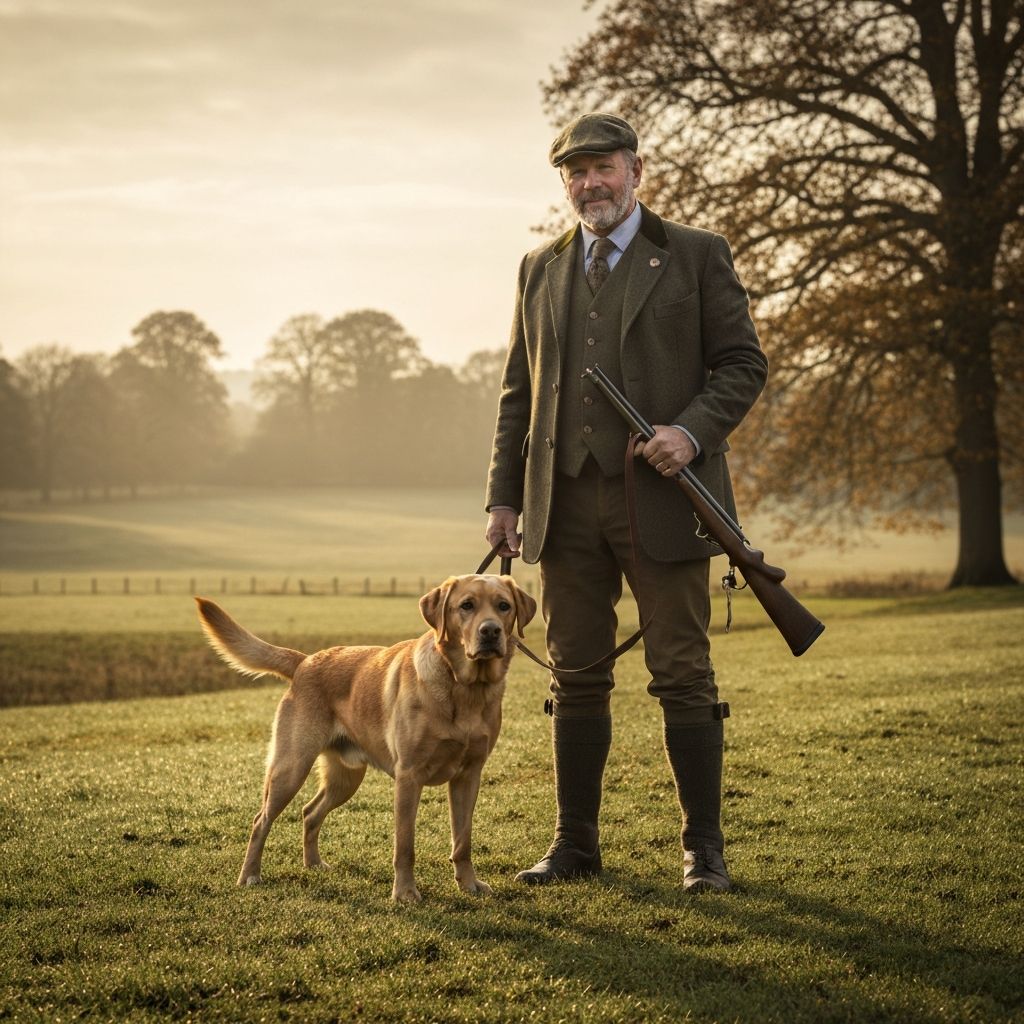
Even though there’s no one-hundred-percent definition of a started dog or a finished dog that every trainer or kennel in the country goes by, there are quite a few known differences.
What is a started dog?
A started dog is basically off-lead, runs some marks, and may do the very basic parts of a blind retrieve. He’s been introduced to guns, birds, water, and decoys, and he can be hunted with the right setup and the right end goal in mind.
If you want to do the advanced work yourself but cut way past the puppy stage, a started dog can be a great fit. You still get to watch the dog learn and understand the hunt, much like teaching a young kid how to play a sport and enjoying each step of the process.
You can skip much of the puppy nonsense and start with a dog that isn’t gun-shy, already likes birds, loves to retrieve, accepts that someone is in charge, and can pick up quite a few birds when they are decoying and falling where he can see them.
What is a finished dog?
A finished dog will stop on a whistle, take hand signals, run cold blinds, push off of marks, and may run some lines. He’s also been introduced to guns, birds, decoys, and water, and he’s ready for his first season.
With a finished dog, you’re cutting past the basic level of retriever training. He has more bells and whistles, more buttons, more commands, and more things he’s capable of doing—but that does not remove the handler’s responsibility.
Either choice still requires your time
With a started dog, you have to put time in. You also have to put time in with a finished dog. If the finished dog is not seasoned in the environment you’re going to hunt, there is still a huge learning curve. You still get to watch him put two and two together and figure the hunt out.
A finished dog is not a machine you can take straight into the field and expect to perform perfectly with a new handler. He knows the additional commands and advanced work, but transitioning from the training environment to the hunting environment still requires time and dedication. You and the dog have to get your communication on the same page.
Baseline or fully loaded?
The comparison is a lot like buying a baseline vehicle versus a fully loaded luxury vehicle. The started dog has a few commands and a few things he knows. The finished dog has a whole lot of commands and a whole lot of things he knows.
From a handler’s standpoint, the finished dog also requires more upkeep, more maintenance, more communication, and more time simply because there is so much more to maintain. The right question is whether you want to jump to the upper level or begin with a dog that has a great foundation and plenty of learning left to do.
Training and seasoning are not the same
Just because a dog is started or finished does not mean he is seasoned. There are seasoned started dogs and seasoned finished dogs, but an unseasoned dog has been trained without going through fifteen, twenty, or thirty actual live hunts.
A dog can be finished on paper and still be green in the field. Live hunts are where he learns the hunt—the chaos, the pressure, and the real-world variables no training ground can fully replicate. Those hunts are where a trained animal begins to become a hunting partner.
Both routes require time and dedication from you, and both dogs still have to learn the actual hunt. Keep an open mind and enjoy your dog.
Keep learning in the field.
Back to all resources