
What Makes a Good Duck Dog
A good duck dog begins with health, work ethic, cooperation, and a thoughtful plan that builds confidence from puppyhood through every hunt.
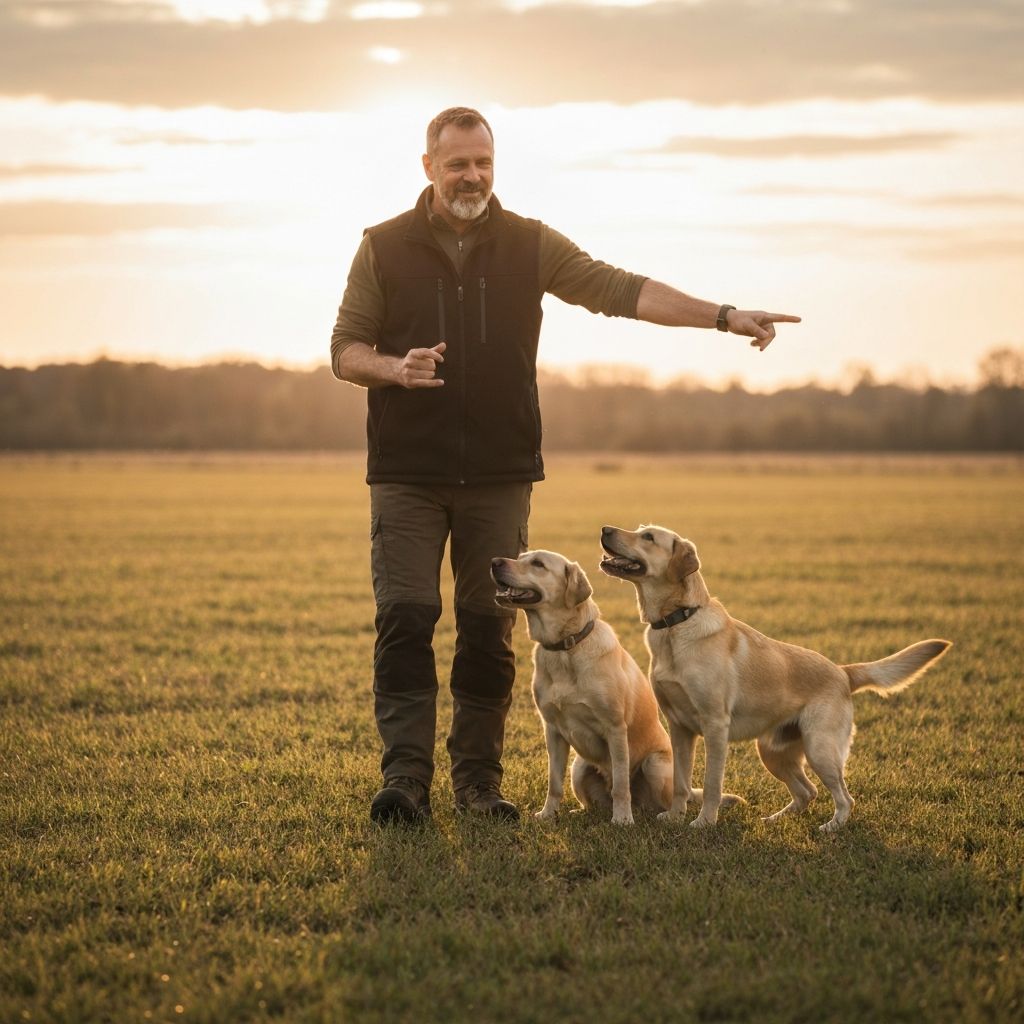
Over the years, I’ve had the privilege of talking with countless people about their Labrador Retrievers and duck dogs. I’ve heard descriptions of every good dog you could imagine. These are the qualities and practical steps I believe create a good duck dog.
My definition of a good dog
Everybody has a different definition of a good dog. First and foremost is health. From there, my next two requirements are a dog that enjoys working and does not mind having someone in charge. A lazy or headstrong dog creates an uphill battle, but a willing worker that accepts a boss gives you the foundation for a good duck dog.
Research the breeding
Researching the breed—and the specific breeding your dog comes from—is extremely important. Someone may buy a soft UK-bred retriever for the demanding schedule of an American waterfowl outfitter, only to find the dog lacks the temperament or desire for that work. Another person may want a dog to retrieve ducks three weekends a year and live as a pet the rest of the time, but choose an intensely bred American field-trial retriever with more energy and drive than their home life can accommodate.
Dogs from either major Labrador line can succeed in many roles, but you should speak with the breeder and study the lines as deeply as possible. Reports from puppy buyers can vary because every owner has a different idea of what makes a good dog.
For more than twenty-five years, I’ve selectively bred dogs to fit the goals of our program. The priority remains the same: a healthy dog that loves to work and does not mind having a boss. Those traits make a dog versatile, trainable, and enjoyable to work with.
Evaluate the puppy in front of you
After choosing a breeder and litter, evaluate the puppies. At seven or eight weeks old, their personalities are beginning to show, but they are still highly moldable. A dominant puppy can become difficult without limits, while a shy puppy can struggle if overwhelmed or overexposed.
A puppy’s personality at eight weeks does not determine its entire future. Proper handling and training can continue shaping that dog toward the partner you want.
Build the pack bond
One of the most common issues we see when dogs arrive for training is a weak bond with their owner. The dog wants to explore, takes the retrieving toy in the opposite direction, ignores recall, and pays little attention because interacting with the owner has not become the highlight of its day.
Busy work and school schedules make it easy to miss those early bonding days, but that time is critical. A young dog should learn that engaging with you is rewarding and that the two of you are a team.
Set limits early
Along with building the bond, you must set fair limits and show the puppy that it is not in charge. The puppy lives in your world—you do not live in his. Jumping on people, biting hands, and dragging an owner by the leash all reveal what a dog believes about that relationship.
Starting early with clear, consistent boundaries makes later training easier and helps create the cooperative attitude a working retriever needs.
Make retrieving your shared game
When you interact with the puppy, teach him that retrieving is a game the two of you play together. The end goal for a duck dog is to pick something up and bring it back to you, yet many owners overlook this early foundation and allow avoidable habits to develop.
If you plan to train through the dog’s natural desire rather than force-fetching, you must spend time developing and refining that desire. The idea that a dog either has it or does not is far too simple. Two nearly identical littermates can become completely different performers if one trains consistently while the other spends two years sitting in a kennel.
Most working-line Labrador puppies are born with some natural retrieving instinct, but that instinct needs work. Without time, repetition, and thoughtful development, even excellent natural potential can go to waste.
Introduce training pressure carefully
As training progresses, keep the dog excited to work with you and retrieve. Then learn how training pressure works, why it exists, and how the dog should respond to it. Once the basics are in place, advance in small steps through whatever program you follow.
Confidence is easy to overlook. Rushing and pushing too quickly can create lasting problems. Going slowly, setting the dog up for success, and protecting his confidence are essential parts of developing a good duck dog.
Make the first hunts fun
On a young dog’s first hunts, focus on fun and ask only for things you have already practiced at home. Think of a seven-year-old child on a first dove hunt: a hot field with nothing to drink or do creates a bad memory, while shade, snacks, a BB gun, and the chance to pick up birds make him eager to return.
A young dog is much the same. If the first hunts become pressure-filled experiences without a foundation of training or enjoyment, you can damage the entire project. Be patient. Prop your gun up on several early hunts, forget about shooting birds, and handle your dog. That is some of the best advice I can give for creating a solid duck dog.
Treat every hunt as homework
When your dog struggles on a hunt, you have just been given homework. A baseball coach studies Monday’s game, addresses the weak points at Wednesday’s practice, and prepares the team to perform better on Friday. Hunting and training your retriever should follow the same rhythm.
Use each hunt to identify what your young or experienced dog needs to practice during the off time. If the same situation appears on the next hunt, the team will be prepared because you trained for it.
Training a duck dog can be a lot of fun. It takes time, effort, and a solid game plan from day one—and it should be every bit as enjoyable for the dog as it is for you.
Keep learning in the field.
Back to all resources